
In today’s fast-paced industrial environment, the demand for efficient and sustainable housing solutions for transient workforces is more pressing than ever. Labor camps serve as essential accommodations for workers in sectors such as construction, mining, and agriculture, often located in remote areas. However, traditional labor camps have faced criticism for their environmental impact and inadequate living conditions. Customizable prefabricated solutions have emerged as a powerful alternative, offering sustainable designs that enhance worker welfare while minimizing ecological footprints. This article explores the importance of sustainable labor camps and the transformative potential of customizable prefab solutions.
Understanding Labor Camps
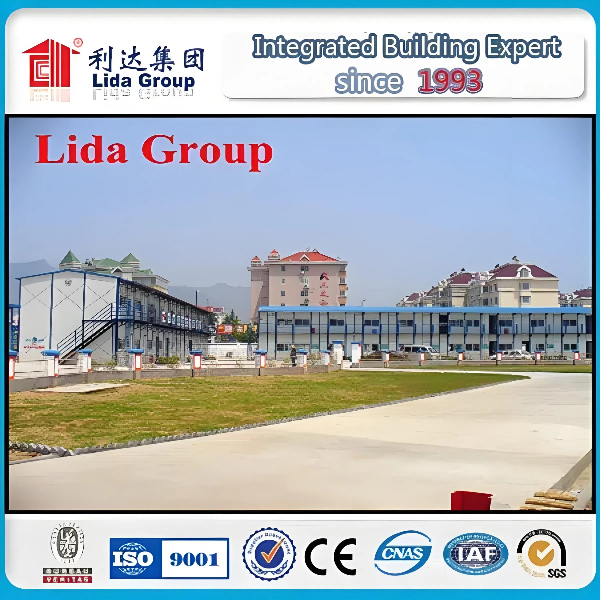
The Role of Labor Camps
Labor camps provide necessary accommodations for workers who are away from home for extended periods. These camps are not merely shelters; they include vital facilities such as kitchens, bathrooms, dining areas, and recreational spaces. The quality of these accommodations can significantly influence worker morale, productivity, and overall job satisfaction.
Challenges of Traditional Labor Camps
Traditional labor camps often face several challenges, including:
- Inflexibility: Many conventional labor camps are designed as permanent structures, making it difficult to adapt to changing workforce sizes or project needs.
- Poor Living Conditions: Substandard facilities can lead to inadequate living conditions, negatively impacting worker health and morale.
- Environmental Impact: Conventional construction methods can produce significant waste and contribute to a larger carbon footprint, raising concerns about sustainability.
- High Costs: Traditional construction can be expensive and time-consuming, causing delays in providing necessary housing.
The Shift Towards Sustainable Labor Camps
Defining Sustainability in Labor Camps
Sustainability in labor camps encompasses the use of eco-friendly materials, efficient energy consumption, and the reduction of waste. Sustainable labor camps aim to create a balance between the needs of the workforce and the environmental considerations associated with construction and operation.
The Importance of Sustainability
- Environmental Responsibility: As industries expand, the need for environmentally responsible practices becomes crucial. Sustainable labor camps can help mitigate the ecological impact of industrial activities.
- Worker Well-Being: Sustainable living conditions contribute to the overall well-being and productivity of workers. Access to quality housing can improve mental health and job satisfaction.
- Regulatory Compliance: Increasingly stringent regulations regarding environmental impact necessitate a shift towards sustainable practices in construction and labor camp management.
The Power of Customizable Prefab Solutions
What Are Prefabricated Solutions?
Prefabricated solutions involve the assembly of building components in a factory setting, which are then transported to the construction site for quick assembly. These solutions can be tailored to meet specific needs, making them ideal for labor camps.
Key Features of Customizable Prefab Solutions
- Modular Design: Prefab housing is often modular, allowing for flexibility in design. Units can be easily expanded, combined, or reconfigured based on the workforce size and project requirements.
- Rapid Deployment: Prefabricated structures can be assembled quickly, enabling companies to establish labor camps in a fraction of the time required for traditional construction.
- Quality Control: Building components are manufactured in a controlled environment, ensuring consistent quality and durability.
- Sustainability: Many prefab solutions utilize sustainable materials and construction methods, reducing waste and energy consumption.
Customization Options
One of the standout features of customizable prefab solutions is the ability to tailor designs to meet specific needs. This includes:
- Interior Layouts: Depending on the workforce size, companies can choose layouts that accommodate single-occupancy rooms, shared accommodations, or communal living spaces.
- Amenities: Prefab units can be equipped with essential amenities such as kitchens, bathrooms, and recreational areas, promoting a higher quality of life for workers.
- Energy-Efficient Features: Customizable options can include energy-efficient appliances, solar panels, and high-quality insulation, reducing the overall energy footprint of the labor camp.
Enhancing Worker Welfare Through Sustainable Prefab Camps
Improving Living Conditions
Sustainable labor camps built using customizable prefab solutions can significantly enhance living conditions for workers. Key benefits include:
- Personal Space: Providing individual rooms or small units allows workers to have personal space, which is essential for mental health and relaxation.
- Community Spaces: The inclusion of communal areas for dining and recreation fosters social interaction among workers, promoting a sense of community and reducing isolation.
- Access to Amenities: Well-designed prefab units can include modern amenities, enhancing the overall living experience for workers.
Psychological Benefits of Quality Housing
Research indicates that comfortable living conditions positively impact mental health and job performance. By investing in high-quality, customizable prefab housing, companies can:
- Enhance Worker Satisfaction: Comfortable living environments lead to higher job satisfaction and lower turnover rates.
- Boost Productivity: Workers who feel valued and comfortable are more likely to be engaged and productive.
- Reduce Stress: Providing quality housing alleviates stress associated with living away from home, contributing to overall worker morale.
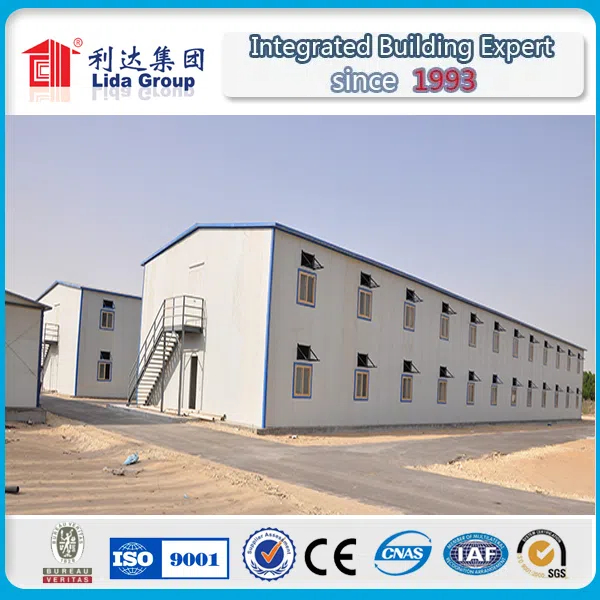
Case Studies: Successful Implementation of Sustainable Prefab Solutions
Construction Industry
In a large-scale construction project, a firm faced the challenge of providing adequate housing for its workforce in a remote location. Traditional construction methods would have taken months, delaying the project. By opting for customizable prefab solutions, the firm quickly established a labor camp that included individual sleeping units, communal kitchens, and recreational spaces.
The result was a significant improvement in worker satisfaction and productivity. Workers reported feeling more comfortable and valued, which translated into higher levels of engagement on the job.
Mining Sector
In a mining operation located in a remote area, the company needed to house a large number of workers for an extended period. Traditional labor camp solutions were deemed too costly and time-consuming. The company turned to customizable prefab housing, which allowed for rapid deployment of sustainable living units.
The modular design enabled the company to easily scale up as needed, while the use of eco-friendly materials minimized environmental impact. Workers appreciated the comfortable living conditions, which contributed to lower turnover rates and enhanced overall morale.
Agricultural Labor Camps
A cooperative engaged in seasonal agriculture required temporary housing for its workers during peak harvest times. Customizable prefab solutions were deployed, allowing for quick setup and relocation as needed. The labor camp included essential amenities and communal spaces, fostering a sense of community among seasonal workers.
The positive impact on worker satisfaction was evident, leading to increased productivity during the critical harvest period. The cooperative found that investing in sustainable housing not only improved worker welfare but also enhanced its reputation in the community.
Addressing Challenges in Prefab Integration
Regulatory Compliance
While customizable prefab housing offers numerous advantages, navigating local building codes and regulations can pose challenges. It is essential for companies to work closely with local authorities to ensure that all units meet necessary compliance standards, facilitating a smoother deployment process.
Initial Investment
Although prefab housing can lead to long-term savings, the initial investment may be a concern for some companies. However, it is crucial to consider the total cost of ownership, including maintenance and energy savings, which often makes prefab housing a financially sound choice.
Cultural Sensitivity
In regions with diverse cultural backgrounds, it is important to consider the needs and preferences of the workforce when designing housing solutions. Customizable prefab solutions can be adapted to respect local customs and practices, ensuring that living spaces are suitable for all workers.
The Future of Sustainable Labor Camps
As the demand for efficient and sustainable housing solutions continues to grow, customizable prefab solutions are expected to play an increasingly important role in labor camp design. Innovations in construction technology, materials, and design practices will further enhance the appeal of these units.
Technological Advancements
The integration of smart technology into prefab housing is an emerging trend. Features such as intelligent climate control, energy management systems, and advanced security measures can improve the living experience for workers while promoting sustainability.
Global Demand
As industries worldwide seek to improve living conditions for transient workers, the global demand for sustainable prefab housing solutions is expected to rise. Companies that embrace these innovative housing solutions will not only enhance their operational efficiency but also demonstrate their commitment to worker welfare and sustainability.
Conclusion
Sustainable labor camps built using customizable prefab solutions represent a significant advancement in workforce housing. By prioritizing flexibility, comfort, and environmental responsibility, these solutions enhance the living conditions for workers, contributing to improved morale and productivity. As industries continue to evolve, the advantages of sustainable prefab housing will become increasingly evident, paving the way for a future where affordable and comfortable living is accessible to all workers. Embracing sustainable labor camps is not just a strategic business decision; it is a commitment to enhancing the quality of life for workers and promoting a more sustainable future in labor management. By investing in innovative prefab solutions, companies can create environments that support their workforce and align with global sustainability goals.
Contact Us
Post time: Dec-23-2024